10 Smart Kitchen Trends 2026: Transforming American Homes

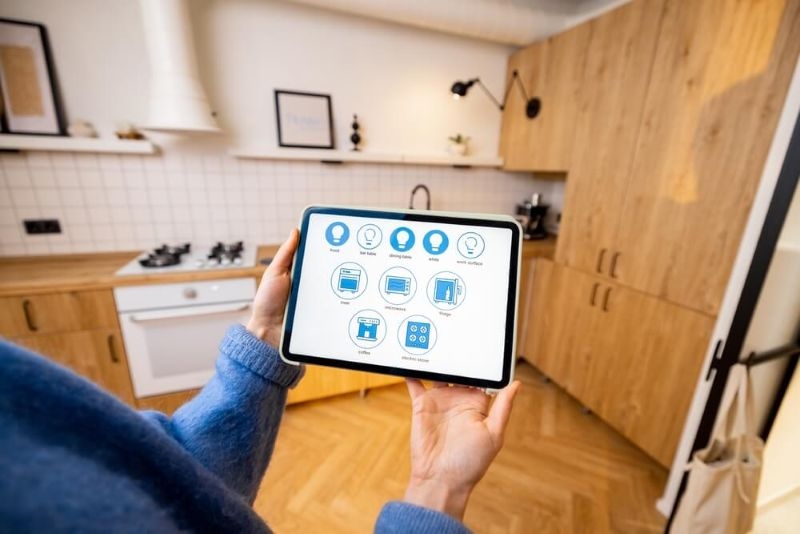
Walk into a modern American kitchen today, and you notice something's changed. It’s not really the sparkling counters or picture-perfect cabinets—it’s how the whole place just seems to get you. The kitchen almost anticipates what you need, making daily cooking feel easy without much thought.
Tech has kind of slipped in quietly, turning kitchens into smarter, more intuitive spaces. AI runs in the background of your appliances, eco-friendly systems cut down on energy use, and honestly, it all blends in so well you barely notice—until you realize how much easier life just got.
This guide dives into the smart kitchen trends set to shape 2026. We’ll look at what’s actually changing the way people cook, clean, and hang out in their kitchens. Plus, you’ll find out which upgrades are genuinely worth it, and get a feel for how kitchen remodels in the US are adapting to all these fresh demands.
Smart Kitchen Trends 2026 Leading The Way
Kitchens are getting more intuitive, more connected, and, well, a lot more personal. These changes aren’t just about the gadgets; they’re about how people actually use their space every day.
Here are ten trends making waves in American homes.
1. AI-Powered Cooking Assistants
AI isn’t just a fancy trick anymore. These days, smart ovens know what you’re cooking, tweak the heat automatically, and even come up with recipes based on whatever’s in your fridge. The cool part? They actually remember your favorite routines.
So if you like medium-rare steak or extra-crispy cookies, your kitchen gets it. Cooking stops feeling like a shot in the dark—it’s more like you’ve got an extra set of hands that just get you.
2. Smart Refrigerators That Think Ahead
Forget plain cold storage. These fridges track inventory, send reminders when food’s about to go bad, and create grocery lists for you. Some connect directly to delivery apps, so shopping almost happens on autopilot. It’s all about making life simpler—and not wasting food.
3. Voice-Controlled Kitchen Systems
Voice assistants are now at the center of smart kitchens. Want to set a timer, change the lights, pull up a recipe, or play music? Just ask. If your hands are covered in flour, no big deal. It sounds small, but it makes cooking smoother.
4. Touchless Faucets And Hygiene Focus
People care more about hygiene now, and touchless faucets help with that. You wave a hand, the water’s on, no spreading germs, no mess. This trend took off for obvious reasons, but it’s here for the long run.
5. Energy Efficient and Eco-Friendly Designs
Eco-conscious kitchen design is now expected. You’ll find plenty of energy-saving appliances, LED lights, and water-saving fixtures in remodeling projects.
Some kitchens even monitor energy use and help you shift habits over time. It’s about responsibility and comfort, not just saving money.
6. Integrated Smart Lighting Systems
Lighting systems adjust automatically—bright for cooking, soft for eating. Some even sync up with your daily rhythms and sleep cycle. It’s one of those improvements you don’t really think you need until you actually have it.
7. App Connected Appliances
Ovens, dishwashers, and laundry machines are all in the same ecosystem now. Preheat the oven while you’re on your way home, check the dishwasher remotely, and get alerts when cooking cycles finish. It makes a busy life feel a bit more manageable.
8. Smart Storage And Space Optimization
Space matters, especially in smaller kitchens. Cabinets now have pull-out shelves, automated drawers, and even lights that turn on when you open them. It helps keep everything organized, and who doesn’t love a clutter-free kitchen?
9. Multi-Functional Kitchen Islands
And kitchen islands? They’ve leveled up, too. Beyond being a place to chop veggies, now they've got charging ports, sleek cooktops, tiny fridges, and plenty of space to work or eat. Kitchens aren’t just for making food anymore—they’re where everyone ends up hanging out.
10. Personalized Smart Kitchen Ecosystems
Everything starts to connect. Instead of separate smart gadgets, you get a true system—appliances, lighting, and devices talking to each other. Start cooking, and the lights adjust, ventilation kicks in, oven sets itself. It all feels natural, almost invisible.
Don't Miss: 5 Best Small Space Living Ideas for Maximizing Your Home
How Smart Kitchen Upgrades Fit Into Daily Life
Technology looks good on paper, but the real question is: Does it make life better?
Making Cooking Easier And More Enjoyable
Smart features cut down the hassle. You spend less time fiddling with settings and more time just cooking. Even beginners can follow guided recipes and step-by-step help, which makes the kitchen way less intimidating.
Saving Time Without Compromising Quality
Time is precious, and smart kitchens help speed up routines. Meals come together faster, and you can manage appliances from anywhere. The best part: food quality actually gets better.
Enhancing Safety At Home
Lots of smart systems quietly keep your home safe. Appliances shut off if left on, sensors detect gas leaks, and you get alerts if something’s off. Families with kids or older adults really benefit from this peace of mind.
Suggested Reading: A Guide to Saving on Food: 10 Practical Tips That Work!
Planning A Smart Kitchen Remodeling USA Project
Thinking about making your kitchen smarter? Don’t go all-in at once. Make a plan.
Start With High Impact Changes
Focus on upgrades that make a difference right away—smart lighting, energy-efficient appliances, touchless faucets. These give you more function without tearing out the whole kitchen.
Choose Compatible Ecosystems
Not everything works with everything. Make sure your smart gadgets play well with platforms like Alexa or Google Home for a glitch-free experience.
Balance Technology With Design
Your kitchen shouldn’t feel like a lab. Blend tech with natural materials—wood, stone, whatever feels cozy. Tech should support the space, not overwhelm it.
Also Read: How to Be More Productive Every Day: Simple 2025 Strategies
Conclusion
Smart kitchens aren’t something for “someday”—they’re already here in homes across America. From AI appliances to eco-friendly touches, the way people interact with kitchens is changing fast.
The great thing is, tech just hums in the background while real life happens. As kitchen remodels evolve, one thing stands out: The kitchens of 2026 aren’t just smarter. They’re more thoughtful, efficient, and tuned to what people actually need.
FAQs
How Expensive Are Smart Kitchen Upgrades In The US?
It really depends. Simple stuff like smart lights or faucets isn’t too pricey, but a full smart kitchen setup comes with a bigger price tag. Most people spread the upgrades out over time instead of doing it all at once.
Do Smart Kitchen Appliances Require Constant Internet Access?
Most smart appliances work best with internet connectivity, but many still function offline for basic tasks. Features like remote control, app syncing, and AI suggestions typically require a stable connection.
Are Smart Kitchens Difficult To Maintain?
No, not really. They’re a lot like regular appliances, just with the occasional software update. Most updates are easy, and you’ll get a heads-up on your phone when one’s ready.
Can Smart Kitchens Increase Home Value In The USA?
Yes, they often do. Buyers are increasingly interested in modern, connected homes. Smart kitchen features can make a property more appealing and competitive in the real estate market.
This content was created by AI