Engaging Content Marketing Strategies Help in Building Trust

Key Takeaways
- Establish clear brand guidelines and a testing budget before you publish. Anchor your content to 3-5 core brand associations and consider reserving a small portion of your budget (e.g., 10%) to safely test new messages, formats, and landing pages.
- Align content formats with your audience's friction points. Provide specific solutions—like comparison guides for confusion or detailed, data-backed case studies for skepticism—and organize your efforts into a sustainable mix of monthly flagship pieces and shorter supporting assets.
- Track holistic brand-building signals rather than just raw traffic. Measure your true authority by looking at branded search growth, returning visitors, email reply rates, and how often prospects mention your content during sales calls.
- Leverage direct community engagement for sharper insights. Host small, focused discussions or customer roundtables to capture your audience's exact pain points and objections in their own words, then turn those raw insights into highly relevant content.
Create content people remember, trust, share, and return to when buying decisions get serious.
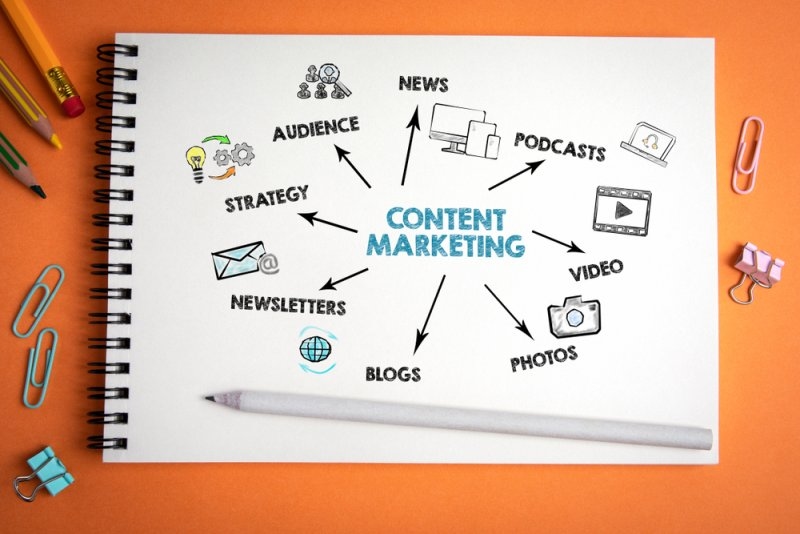
Most brands don’t lose attention because their market is too crowded; they lose it because their content feels interchangeable. Engaging content marketing strategies help teams earn recognition, trust, and authority by answering real questions in formats people actually want to consume.
If you’re trying to build a stronger brand, the job isn’t to publish louder. It’s to publish with sharper audience insight, clearer proof, and repeatable systems. A useful strategy connects what buyers need today with what you want to be known for six months from now.
Guidelines for Brand Awareness Before You Publish
A memorable brand starts with rules that keep every piece of content pointed in the same direction. Pick three to five association goals, such as “fast onboarding,” “plain-English finance,” or “evidence-led skincare,” then test every topic against them. If a draft doesn’t support at least one association, it probably belongs somewhere else.
Treat Guidelines for Brand Awareness as a working brief, not a dusty PDF. Include your target audience, core pain points, preferred channels, voice notes, proof standards, and a short list of topics you won’t chase. Review it every quarter because markets shift, search intent changes, and customer questions get sharper after sales calls.
Budget clarity matters too. Some regulated or healthcare-adjacent teams label a small testing fund as Treatment Copay for Branding, meaning a capped amount spent to reduce risk before a larger campaign. A practical version might be 10% of the monthly content budget reserved for message tests, creator trials, or landing page experiments.
Must Read: 5 Best Small Space Living Ideas for Maximizing Your Home
Build Helpful Formats People Remember
People remember content that saves time, reduces doubt, or helps them explain a decision to someone else. A 900-word guide can work, but so can a calculator, comparison chart, webinar clip, or customer teardown. Match the format to the friction: confusion needs education, skepticism needs proof, and urgency needs a clear next step.
Use a simple format mix so your calendar doesn’t become a pile of disconnected assets. Aim for one flagship piece each month, three to five supporting pieces, and two short distribution assets per channel. That cadence is manageable for small teams and still gives search engines, subscribers, and social audiences enough signals to notice you.
| Audience need | Best content format | Authority signal |
|---|---|---|
| Compare options | Buyer guide or checklist | Clear criteria and trade-offs |
| Reduce risk | Case study or demo breakdown | Specific numbers and process details |
| Learn fast | Short video or visual explainer | Plain language and examples |
Design Personalized Brand Support Around Audience Jobs
Your audience doesn’t need the same message at every stage. A founder comparing tools needs pricing logic, while an operations lead may need rollout timelines and training examples. A simple Personalized Brand Support map can connect each role to three assets: one educational, one proof-based, and one decision-focused.
Segmentation doesn’t require expensive software at the start. Tag content by role, problem, and buying stage inside a spreadsheet, then review which groups consume which assets. After 60 to 90 days, you’ll see patterns that can shape newsletters, sales enablement, and retargeting ads without guessing.
Make Proof Easier to Believe
Authority grows faster when claims come with evidence readers can inspect. Replace “we helped customers grow” with before-and-after numbers, timeframes, constraints, and the method used. A strong case study might show a 28% demo-to-close increase over 12 weeks and explain what changed in onboarding emails.
Review Treatment Copay for Branding quarterly so small tests don’t turn into random spending. Keep the tests tied to a specific question, such as which proof point earns the most demo requests or which story angle holds attention longest. Kill weak experiments quickly. Keep the learning.
Top Pick: 5 Best Small Space Living Ideas for Maximizing Your Home
Measure the Causes of Brand Building Alongside Traffic
Traffic is useful, but it’s a weak brand measure by itself. A post can attract 20,000 visitors and still leave nobody closer to trusting you. Strong measurement blends reach, recognition, engagement quality, assisted pipeline, branded search growth, and direct feedback from sales or support teams.
Tracking Causes of Brand Building gives you a cleaner view of what is working. Look for repeated mentions of your content in sales calls, rising newsletter replies, stronger direct traffic, and more prospects using your language back to you. Those signals often appear before revenue attribution catches up.
A practical dashboard can stay small. Track five metrics monthly: branded search volume, returning visitors, email reply rate, content-assisted opportunities, and share of comments from target accounts. Add a short note beside each metric explaining what you changed, because numbers without context lead to bad decisions.
Community Engagement for Brand Authority That Lasts
Authority becomes stronger when people can interact with the humans behind the brand. Comments, live sessions, small expert groups, and customer roundtables reveal objections that keyword tools miss. They also give your team sharper language because buyers describe pain in their own words.
The best Community Engagement for Brand Authority feels specific, not performative. Host a monthly 45-minute discussion around one problem your audience is actively trying to solve, then turn the strongest questions into articles, clips, and sales notes. Credit contributors when appropriate; it builds trust and gives the community a reason to return.
Start small if your audience is quiet. Invite 12 customers or prospects to a private session, ask three prepared questions, and leave 15 minutes for open discussion. Within a month, you’ll usually have enough raw material for a guide, a short video series, and a sharper FAQ page.
Conclusion
Engaging content marketing strategies work when they make your brand easier to recognize, trust, and recommend. The strongest teams don’t chase every trend; they build a repeatable system around audience needs, useful formats, believable proof, and steady interaction.
Brand authority isn’t created by one viral post. It’s earned through months of consistent answers, visible expertise, and content that helps buyers make better decisions. If your strategy can teach, prove, and listen, awareness becomes less fragile, and demand becomes easier to sustain.
Frequently Asked Questions
How long does content marketing take to build brand awareness?
Most teams need three to six months to see clear awareness signals, such as higher branded search, returning visitors, and better social recall. Competitive industries may take longer, but weekly publishing, consistent messaging, and active distribution can shorten the learning cycle.
What content formats build authority fastest?
Original research, detailed case studies, expert interviews, and practical comparison guides usually build authority fastest because they reduce uncertainty. Short videos and newsletters can amplify that trust when they point back to deeper resources and keep your brand visible between buying moments.
How often should a brand publish new content?
A small team can perform well with one strong article or flagship asset per week, supported by short posts, email snippets, or video clips. Quality matters more than volume, but long gaps make it harder for audiences and search engines to form lasting associations.
Can small businesses build authority without a large budget?
Small businesses can build authority by focusing on narrow expertise, customer questions, and proof from real work. A founder-led LinkedIn post, a helpful guide, and a customer story often outperform expensive campaigns when the message is specific and consistently distributed.
This content was created by AI