Build Your Routine Better Using Smart Home Workout Equipment

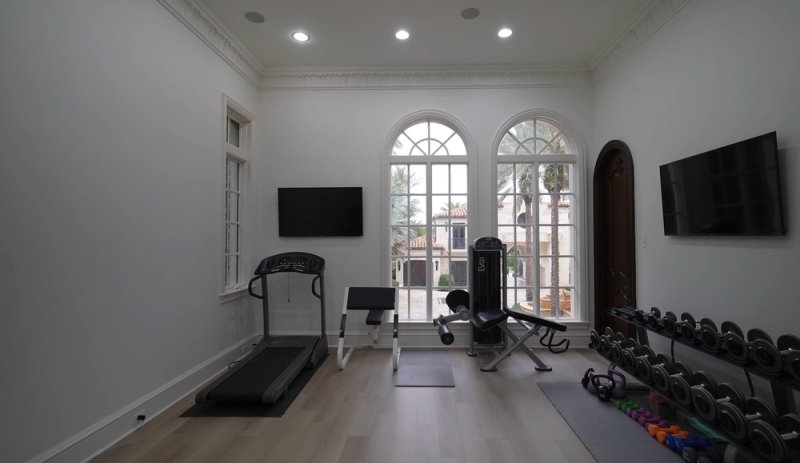
Key Takeaways
- Smart gear makes sticking to home workouts much easier.
- Before you splurge on anything fancy, start with the basics—stuff you’ll actually use.
- Pick equipment that fits the way you really train, not just what looks cool online.
- Adjustable gear usually saves both space and cash.
- Honestly, a steady routine matters way more than having expensive machines.
If your equipment is collecting dust after two weeks, it’s probably not a lack of motivation. Most of the time, it’s the setup—it’s cramped, awkward, or just too much hassle. Smart equipment can help by tracking your progress, tweaking resistance, saving space, or just giving you helpful feedback.
But tech only helps if it makes your routine easier—not more complicated. This blog digs into practical equipment choices, which smart features are actually useful, how much you'll spend, and setups that help keep you on track.
Build a Better Routine With Home Workout Equipment
The right home workout equipment should reduce decisions, not create another complicated daily task.
Choose Home Gym Equipment Around Your Routine
Home gym equipment works best when it matches what you already enjoy doing. If you prefer strength training, adjustable dumbbells, resistance systems, and a bench make more sense than buying several cardio machines. For mixed workouts, a compact setup can cover more movements.
Smart features are useful here. Some home workout equipment records repetitions, resistance, workout duration, or progress. That information can expose patterns you might otherwise miss.
A simple rule helps: buy equipment for the workouts you perform, not the workouts you imagine doing someday.
Use Home Workout Equipment for Beginners Without Overbuying
Home workout equipment for beginners does not need to fill an entire room. A pair of adjustable dumbbells, resistance bands, a workout mat, and a stable bench can cover a surprising amount of training.
For someone starting from zero, this is often enough:
- Adjustable dumbbells for presses, rows, squats, and lunges.
- Resistance bands for lighter resistance and mobility work.
- A mat for floor exercises and stretching.
- A smart watch or fitness tracker for basic workout data.
The best home workout equipment for beginners is equipment that feels approachable. If setup takes ten minutes, the workout may never happen.
Don't Miss: Best Meal Prep Containers for Fresh Food and Healthy Eating
Pick the Best Home Gym Equipment for Your Space
The best home gym equipment depends heavily on room, budget, training goals, and storage.
Compare Best Home Gym Equipment By Use
| Equipment | Best use | Typical space | Smart features |
|---|---|---|---|
| Adjustable dumbbells | Strength | Low | Some models track workouts. |
| Smart resistance system | Full-body strength | Low-medium | Yes. |
| Treadmill | Walking and running | High | Often |
| Exercise bike | Cardio | Medium | Often |
| Smart mirror | Guided workouts | Low | Yes. |
| Resistance bands | Mobility and strength | Very low | Limited |
Home workout equipment should earn its space. A machine used four times a week has more practical value than a larger machine that becomes furniture.
Focus on Home Gym Essentials First
Home gym essentials should cover the basic movement patterns: pushing, pulling, squatting, hinging, carrying, and core work. You do not need a separate machine for every muscle group.
A smart resistance machine may replace several pieces of home workout equipment, while adjustable weights can provide similar flexibility at a lower cost. The trade-off is convenience versus price.
For many households, $200–$500 can create a useful starting setup without turning a bedroom into a commercial gym.
Make Home Workout Gear Work Smarter
Home workout gear becomes more useful when it removes friction from the routine.
Connect Home Workout Gear to Daily Habits
Put equipment where you naturally pass it. Keep resistance bands near the desk, place dumbbells beside the workout mat, or position a bike where television can be watched. Location matters more than people expect.
Some home workout gear can also connect with apps, watches, heart-rate monitors, or training platforms. That creates a feedback loop: exercise, record, review, and adjust.
But do not chase data for its own sake. Ten useful metrics are not better than two metrics you actually check.
Build Home Workout Equipment Around Full Body Workouts
Home workout equipment for full body workouts should support several movements rather than one narrow exercise. Adjustable dumbbells are strong here because one pair can handle squats, rows, presses, lunges, and loaded carries.
A smart cable or resistance system can provide another flexible option. It may guide resistance changes while keeping the setup compact.
This is where home workout equipment earns its value. One tool, many movements, less clutter.
Suggested Reading: 10 Smart Kitchen Trends 2026: Transforming American Homes
Keep Home Workout Equipment Affordable and Useful
Affordable home workout equipment can still support serious training when purchases are made in the right order.
Buy Essential Home Workout Equipment in Stages
Do not buy everything during the first weekend. Start with the equipment needed for your current routine, then add pieces when a clear limitation appears.
For example, if dumbbells handle your strength work but cardio is missing, add a bike or treadmill later. If storage becomes the problem, replace several fixed-weight items with adjustable home workout equipment.
A staged approach also protects your budget. Spending $1,500 on equipment before knowing whether you enjoy training at home is a costly experiment.
Ask, “What Equipment Do I Need for a Home Gym?”
The question “What equipment do I need for a home gym?” has no single answer. A runner needs different tools from someone focused on strength or mobility.
A practical full setup might include the following:
- Adjustable weights
- A stable bench
- Resistance bands
- A mat
- A cardio option
- Basic tracking technology
Smart home workout equipment can then be added where it solves a real problem, such as progression, workout guidance, or limited space.
Create a Routine That Survives Busy Weeks
The strongest home workout equipment setup is the one that still gets used when the week becomes messy.
Give Home Workout Equipment a Specific Job
Assign each major piece of home workout equipment a purpose. The bike is for short cardio sessions. Dumbbells handle strength days. Bands support warm-ups and mobility.
That sounds obvious, yet it prevents random workouts from becoming the default.
Keep sessions realistic too. A 25-minute workout completed consistently can be more useful than a complicated 75-minute program repeatedly postponed.
Review Your Home Gym Equipment Every Month
Once a month, check which home gym equipment was actually used. Move rarely used pieces into storage, change the workout schedule, or sell equipment that no longer fits your needs.
This simple review keeps the room functional. It also makes buying decisions more rational because the next purchase is based on behavior rather than advertising.
Also Read: 5 Best Small Space Living Ideas for Maximizing Your Home
Conclusion
Better home workouts don’t come from owning the latest gadgets. The best gear is the stuff that makes it easier to get started, helps you move the way you need, and actually fits your space.
Smart features are great for tracking and measuring progress, but they don’t create consistency—you do. Start with what you need, buy deliberately, and stick to what works. A simple, practical setup almost always beats an elaborate one that never gets used.
Frequently Asked Questions
Can smart home gym equipment work without Wi-Fi?
All machines are basic machines for doing exercise, but the following features are connected and will require Wi-Fi. Therefore, make sure to check the model before purchasing.
How much floor space does a home gym need?
There’s no one-size-fits-all answer. Even a small corner can work for weights or mobility exercises. But bigger machines take up more room—make sure you’ve got enough clearance.
Can home workout equipment go in an apartment?
Definitely—but you have to think about noise and vibrations. Use mats, pick quieter gear, and avoid dropping anything heavy. It makes life a lot easier for you and your neighbors.
Should you put away your gym gear after every session?
Not always. If it’s safe and out of the way, leaving it accessible might help you stick to your workouts. But if space or safety is an issue, definitely store it.
How often should you replace home workout gear?
Replace it when it is unsafe, has broken, or has become inappropriate for your training. Good basic equipment may last for many years when used regularly.
This content was created by AI